SECURITY

Carry-on Baggage

Photo: TransSolutions

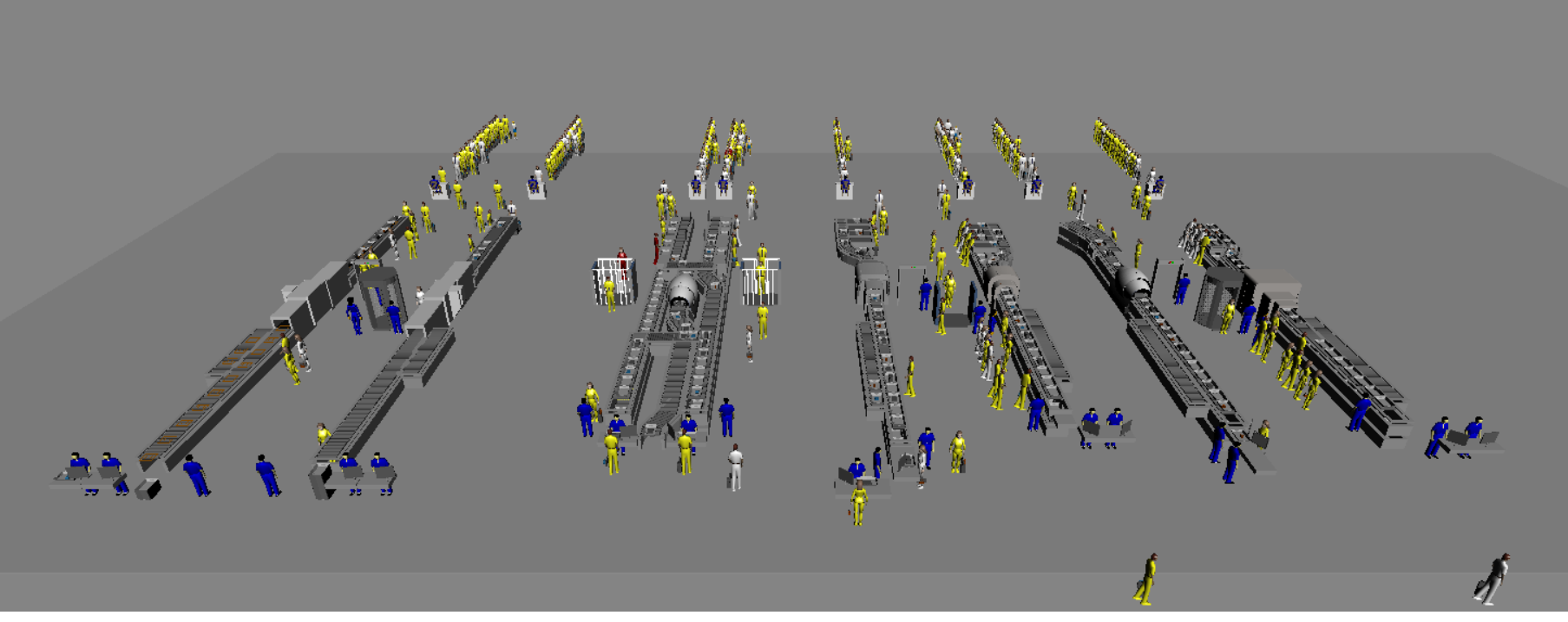
Innovation Task Force (ITF) Facility was modeled for the TSA to compare the capacities of different security checkpoint configurations.

Las Vegas International Airport
Evaluation of the Self-Service Security Screening Prototype

Photos: Vanderlande & Transportation Security Administration (TSA)

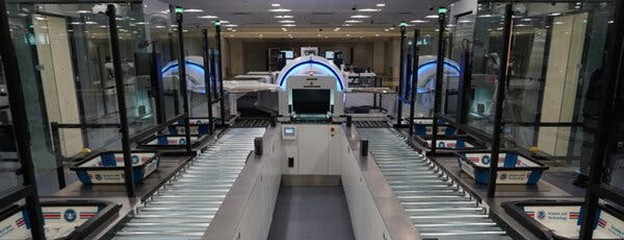
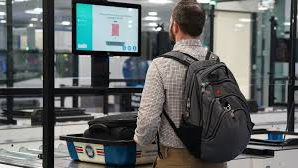
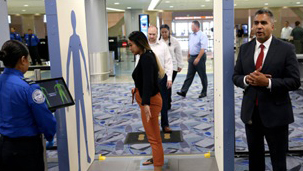
Vanderlande PAX MX2 self-screening checkpoint is installed at the Las Vegas International Airport. It allows passengers to divest and reclaim their luggage from two parallel lanes. After divesting their luggage passengers proceed to two separate screening pods that require minimal TSA intervention. 

In 2023, the Innovation Task Force (ITF) of the Transportation Security Administration (TSA) requested TransSolutions to develop a simulation model to study this self-screening security screening check point (SSCP). This study was performed under the Professional Engineering and Logistics Support Services (PELSS) program. 

The system was modeled using a 3D simulation tool to capture all aspects of the self-screening process. The simulation model was used to compare the performance and challenges of the self-screening checkpoint with the regular Automated Screening Lanes (ASLs) used elsewhere in the US.

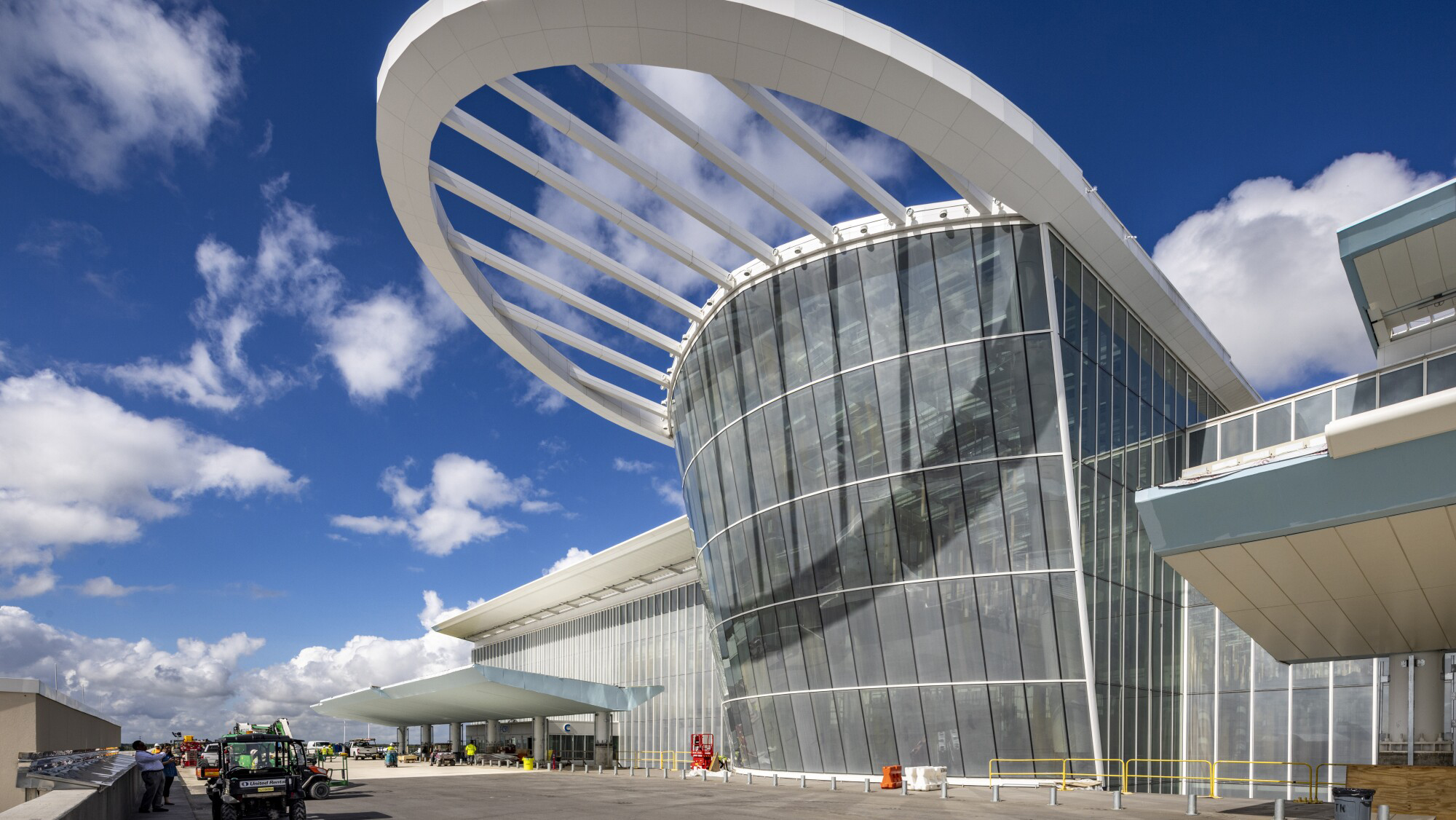
Orlando International Airport - South Terminal C
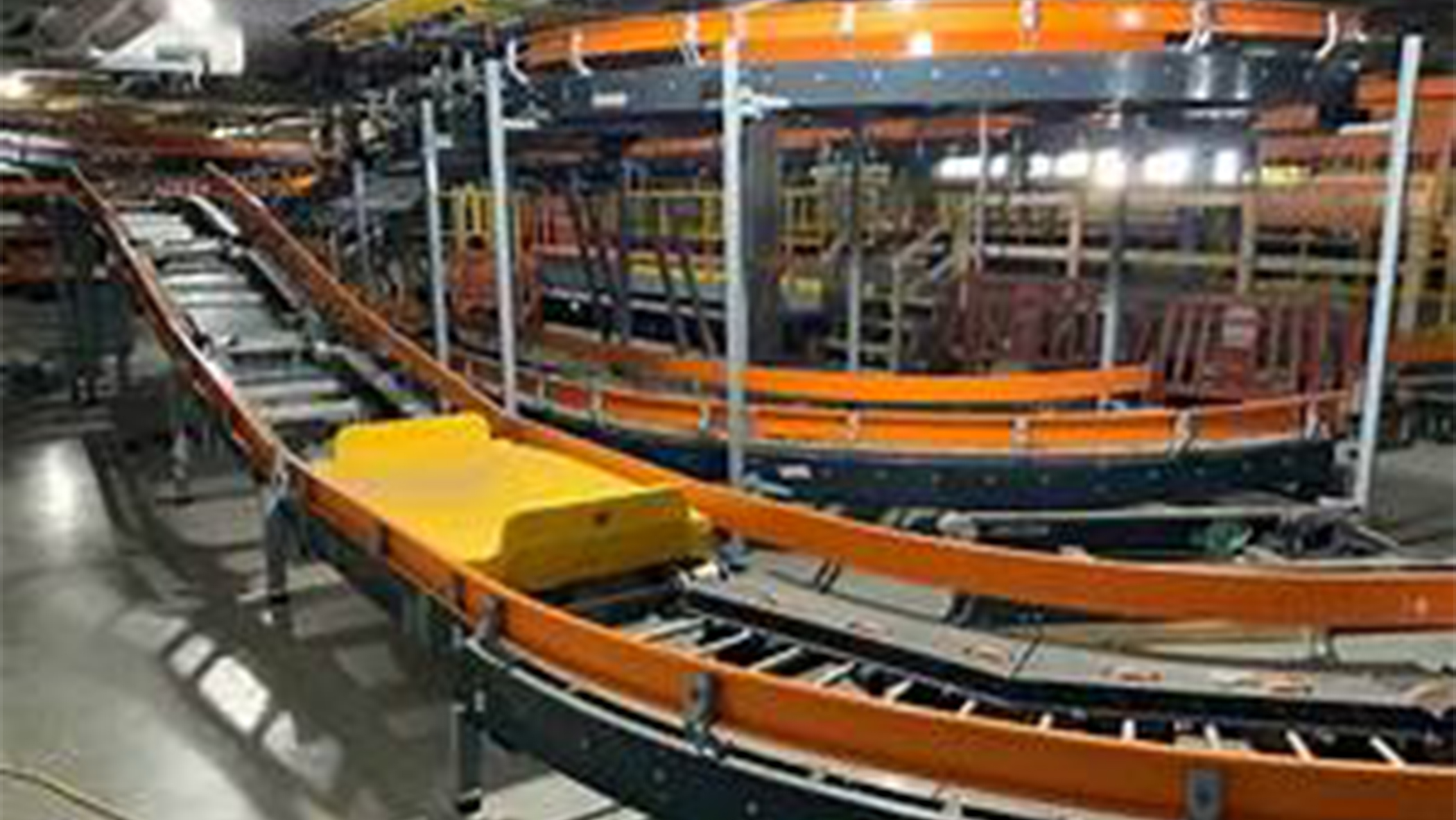
Simulation Analysis - Individual Carrier System (ICS)

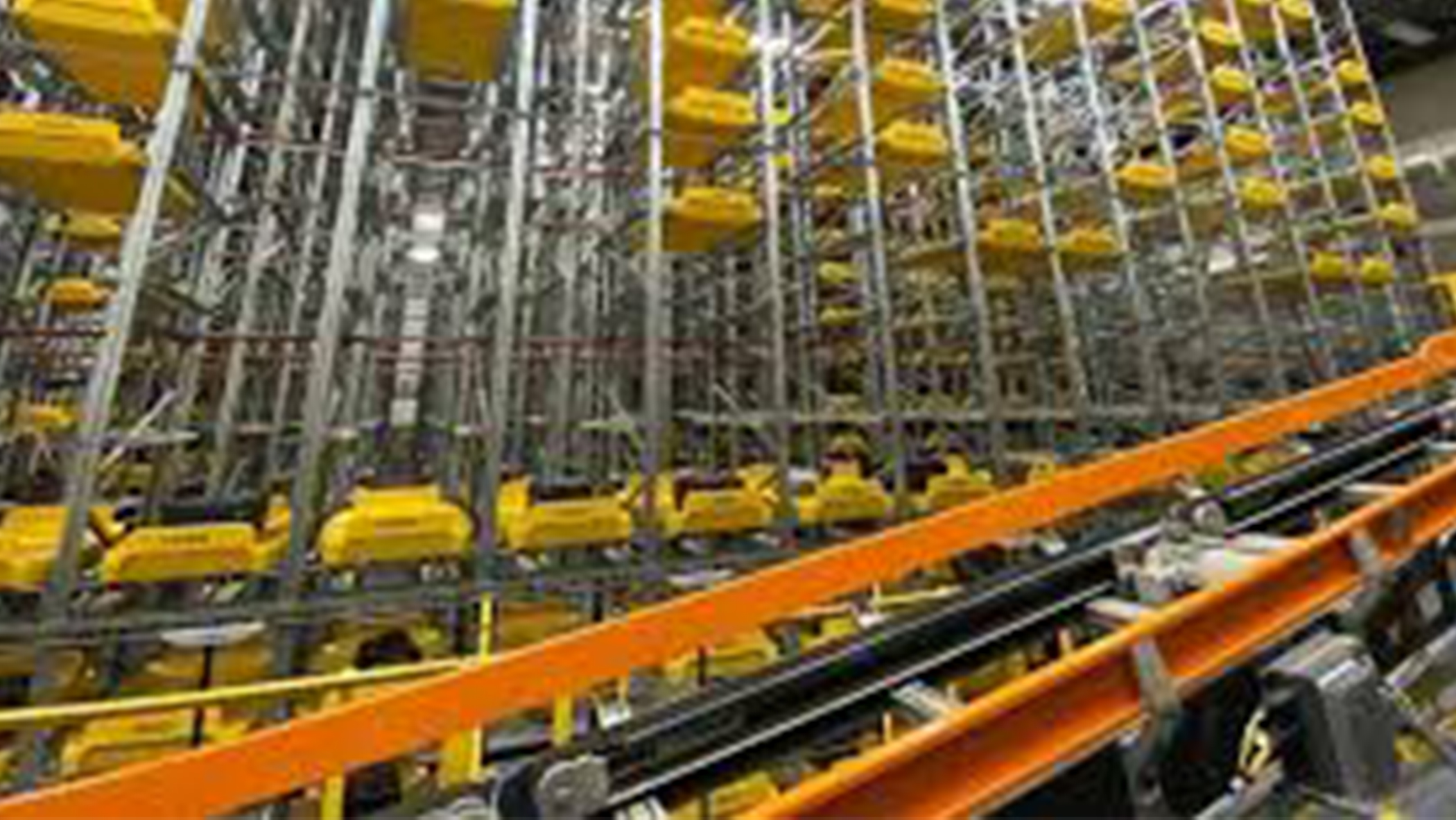
Photos: Orlando International Airport & Vanderlande

In 2017, TransSolutions was selected to undertake a simulation study of a new state-of-the art tote-based Individual Carrier System (ICS) BHS for the new South Terminal of Orlando International Airport (MCO). It was one of the first ICS based BHS to become operational in the US. 
The inbound and outbound BHS included eight miles of conveyors and more than 5,000 totes used to carry the bags. This ICS included crane based Early Bag Storage System (EBS) that had a capacity to store 2,000 bags. AECOM developed the original design of this system.

TransSolutions worked closely with AECOM to ensure that the BHS had adequate screening and storage capacity. A detailed dynamic 3D simulation model was developed to confirm the functionality of all aspects of the ICS.

Detroit Metropolitan Airport
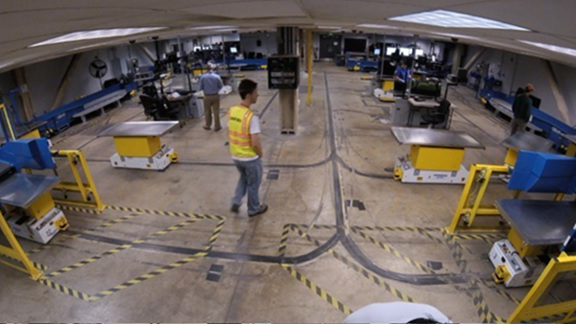
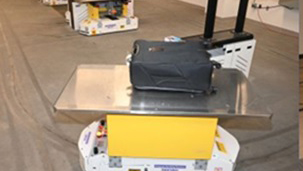
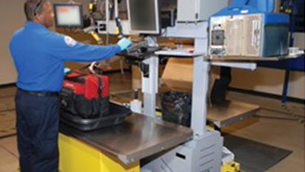
Evaluation - Mobile Inspection Table (MIT) System

Photos: Transportation Security Administration (TSA) & Daifuku Airport America Corporation

In most airports in the US, bags that do not clear screening are sent to the checked baggage resolution area (CBRA) that requires manual lifting of 35-to-40-pound heavy bags. Daifuku Airport America Corporation developed a system known as Mobile Inspection Tables (MIT) to move bags to the inspection tables where the Transportation Security Administration (TSA) staff perform the screening. TSA requested TransSolutions to perform a simulation study to ensure that the system functions as described by Daifuku Airport America Corporation.

TransSolutions developed a 3D dynamic simulation model of the MIT system under the Professional Engineering and Logistics Support Services (PELSS) program. The simulation model helped TSA to evaluate system performance by varying the number of MIT vehicles, vehicle routing rules, bag arrival rate to the CBRA and TSA screening times. 

The performance measures included time bags spent in the CBRA, utilization of the TSA staff, minimum number of MIT vehicles required and their utilization.  

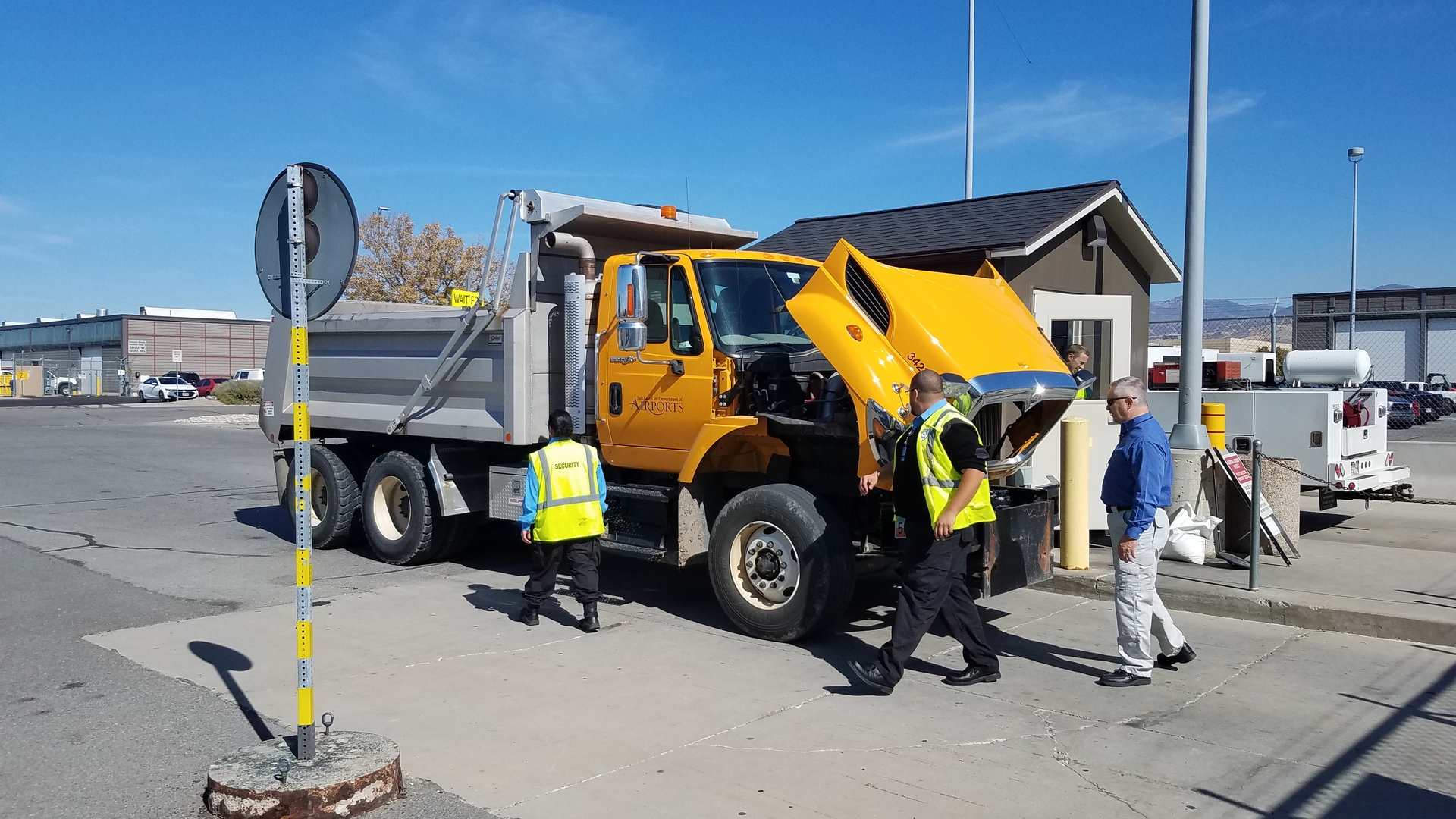
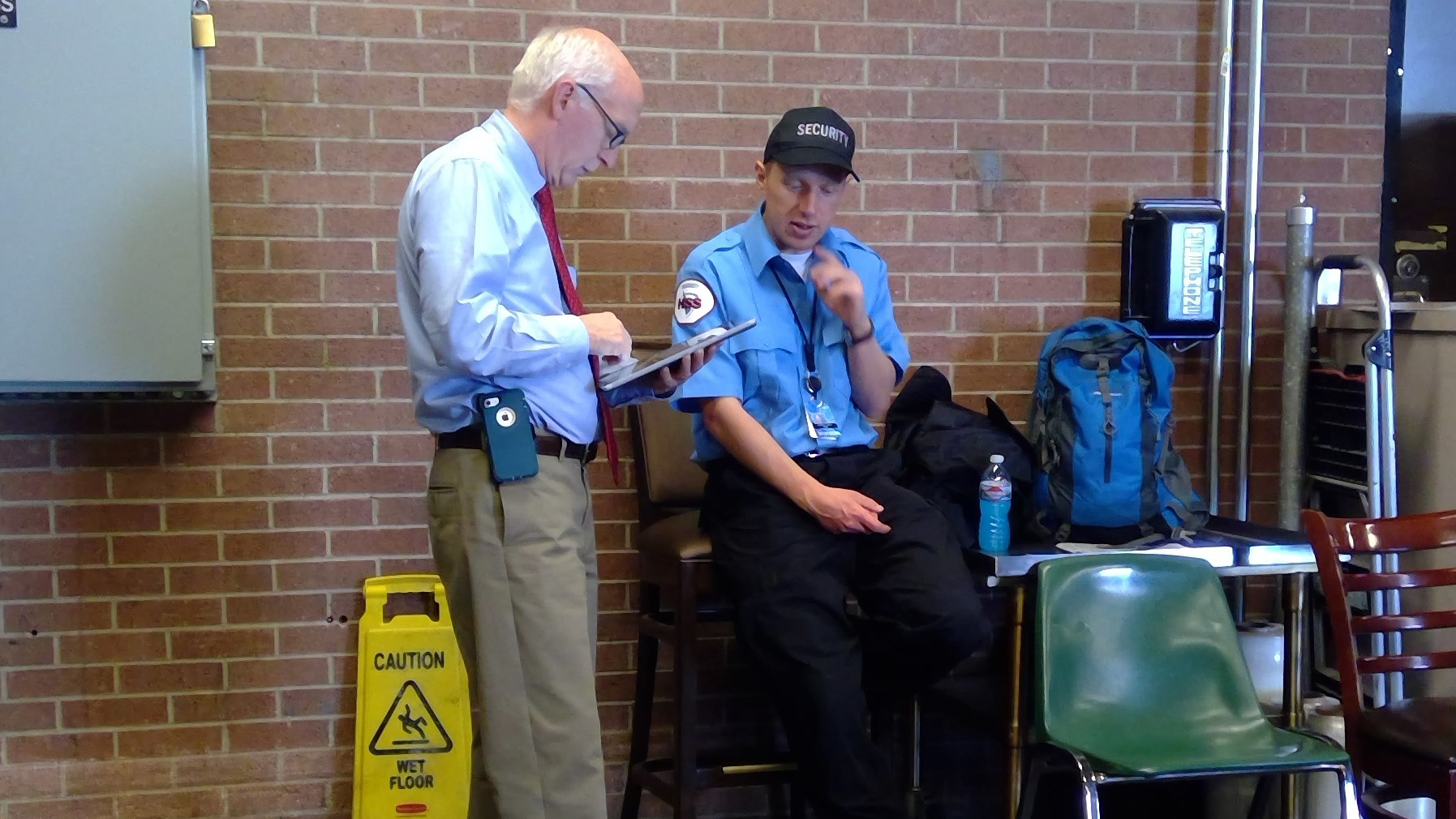
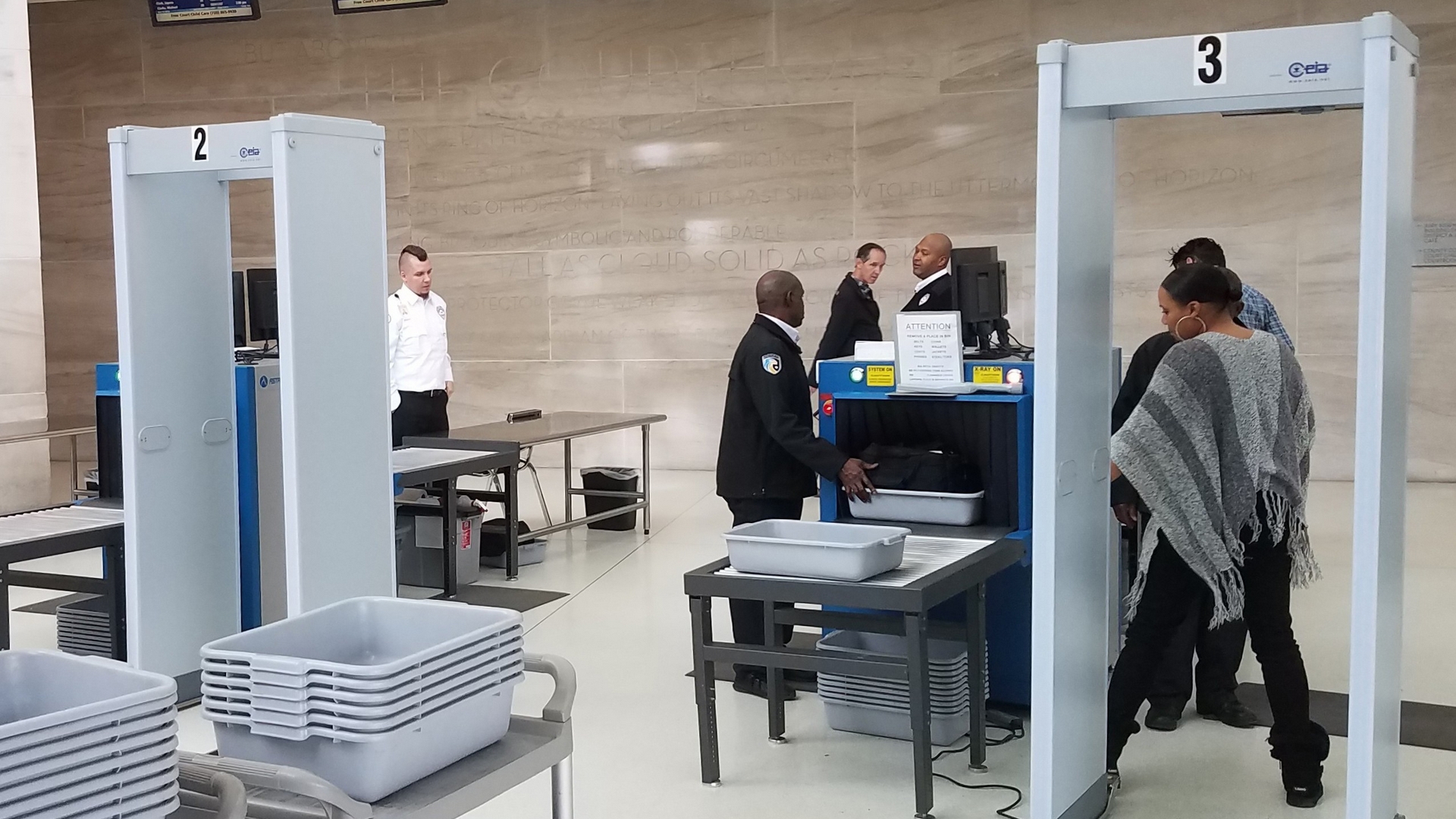
Independent SAFETY Act Audit

Photos: TransSolutions

Independent third-party audit of security services including vehicle screening, patrol, and personal screening for a variety of served facilities including airports, municipal buildings, and critical infrastructure for client seeking Designation renewal under DHS SAFETY Act.